Product Description
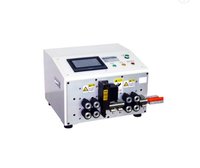
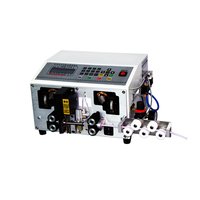
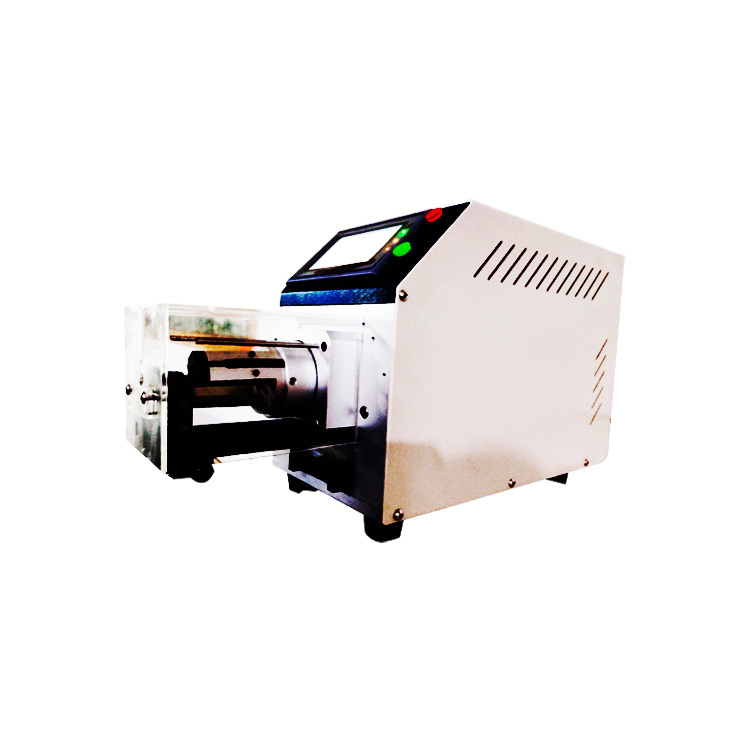
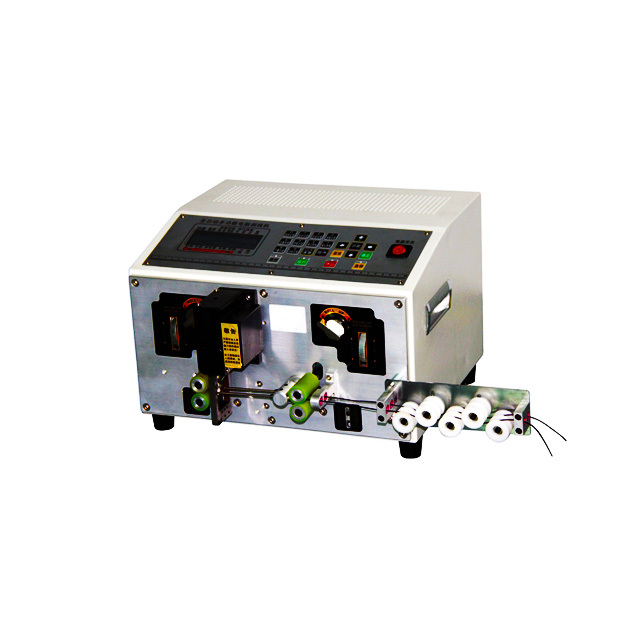
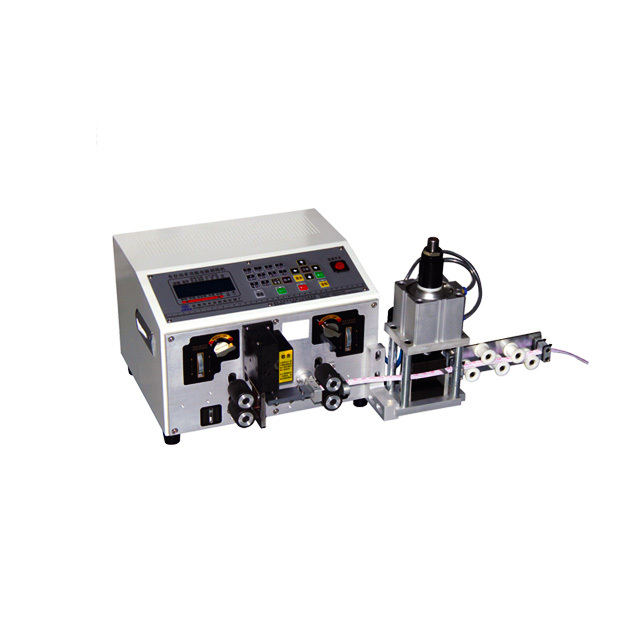
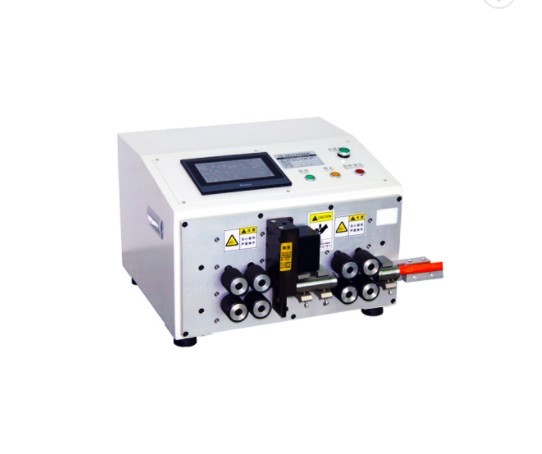
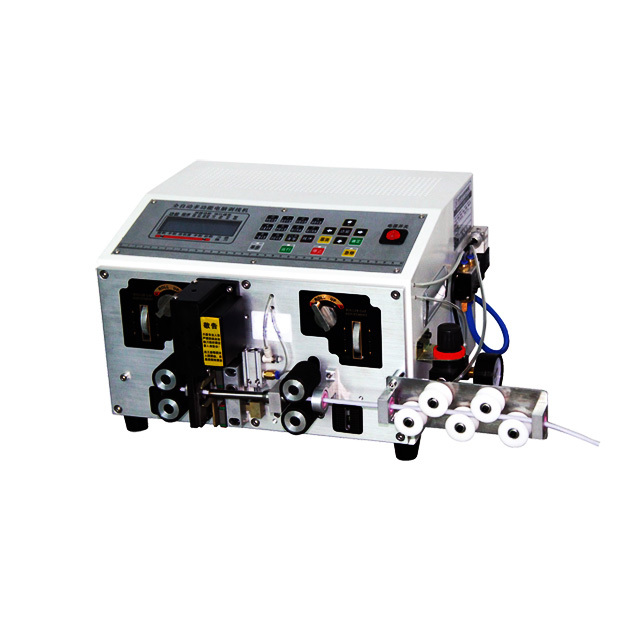
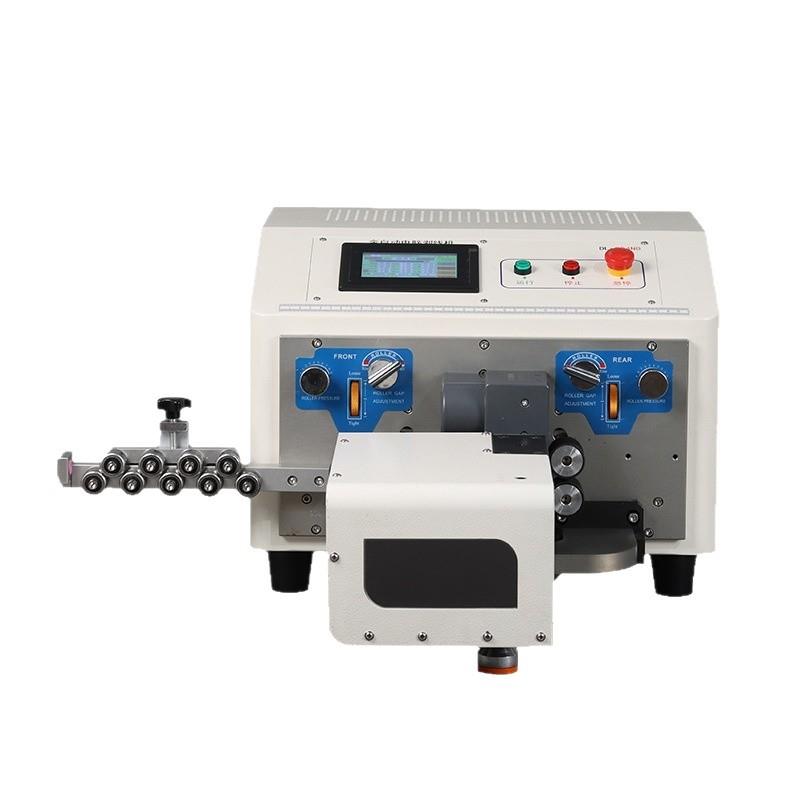
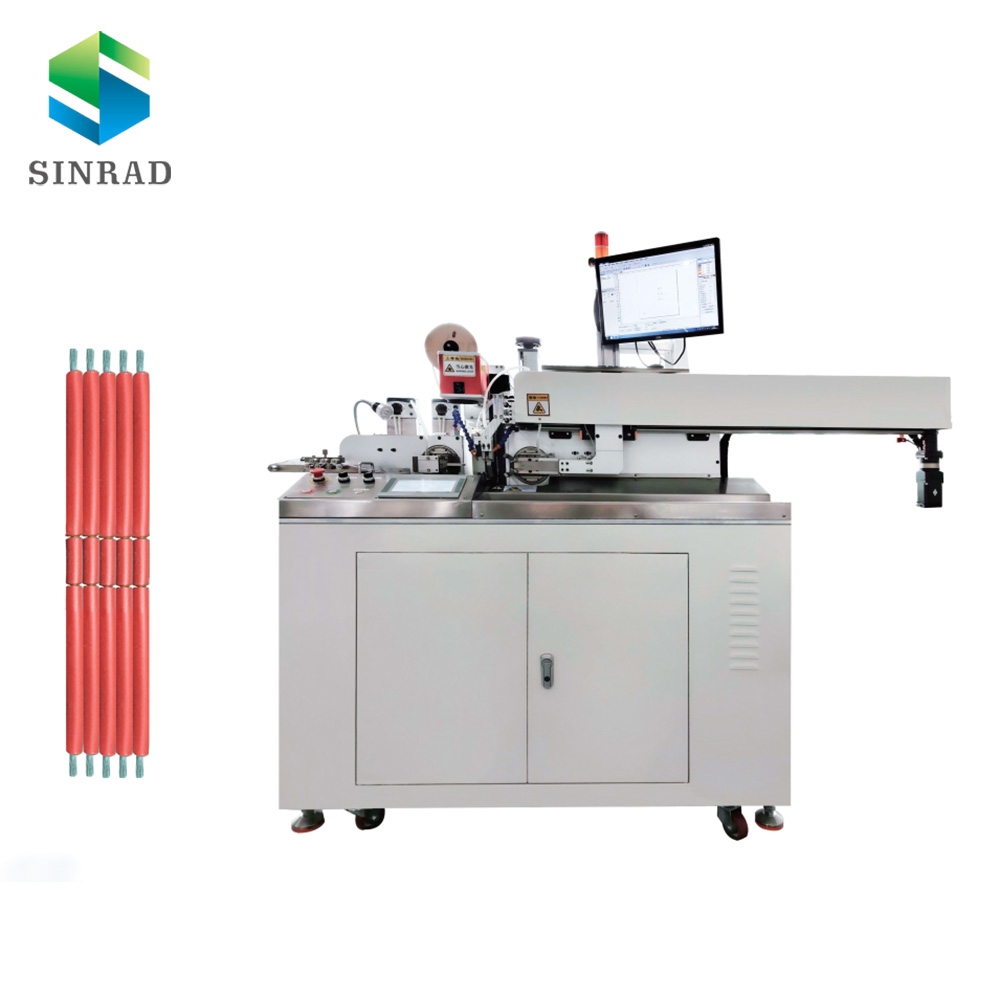
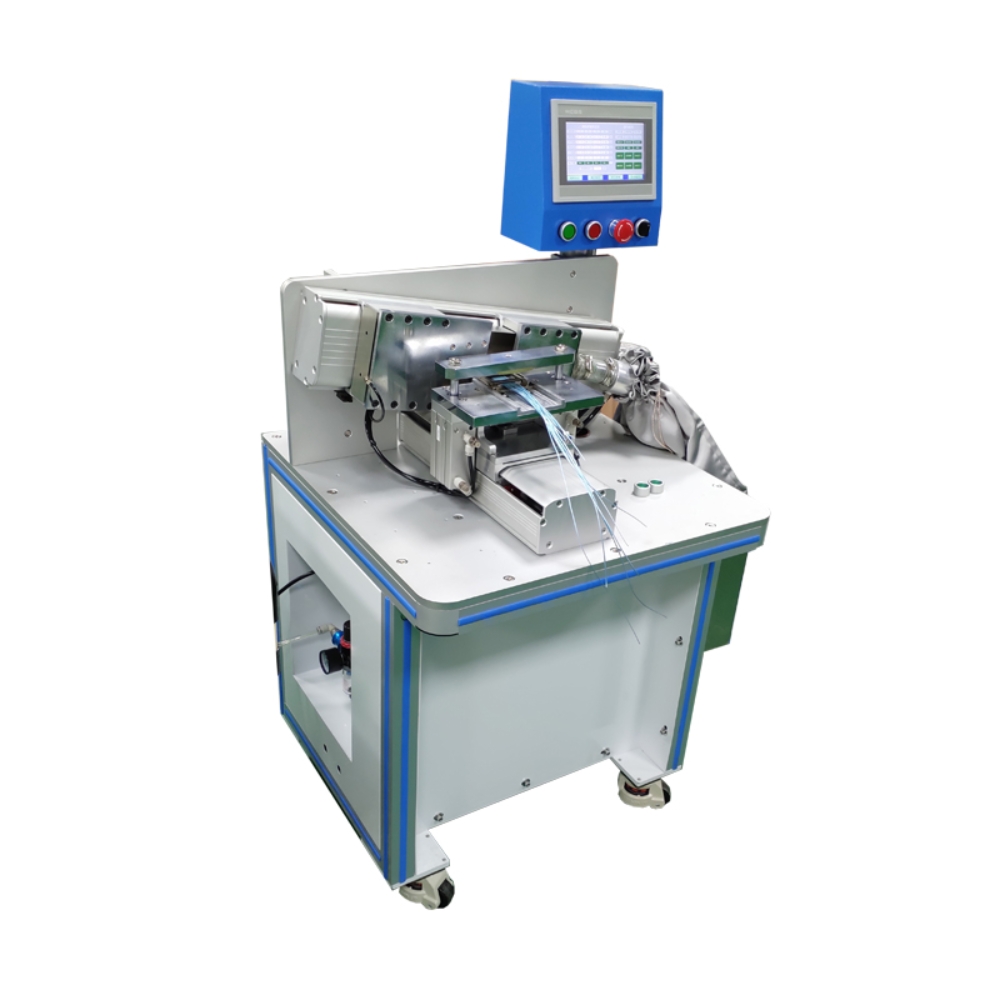
A cable stripping machine is a tool used to remove the insulation or outer sheath of electrical cables or wires. The machine consists of a cutting blade and two rollers, which feed the cable through the blade to strip away the insulation.There are different types of cable stripping machines available, ranging from manual to automatic models. Manual machines require the user to feed the cable through the blade manually, while automatic machines can process large volumes of cable automatically.Cable stripping machines are commonly used in recycling facilities or electrical contracting businesses to recycle or reuse copper wire, which is a valuable and in-demand material. Stripping the insulation from copper wire allows it to be easily recycled and resold.Using a cable stripping machine is a fast and efficient way to strip cables, saving time and increasing productivity. It also helps to reduce the risk of injury and fatigue associated with manual cable stripping.
Technical Specification
| Cutting length | 0.1 to 99999mm |
| Power supply | AC220V/50Hz |
| Stripping length | 0.1 to 99mm or customized for longer size |
| Motor power | 0.55kw |
| Twisting | optional |
| Available wire | AWG14 to AWG32 Support customized |
| Weight | 38kg |
High-Speed and Versatile Cable StrippingThis cable stripping machine delivers exceptional efficiency with a stripping speed of 35 meters per minute and accommodates cable diameters from 1mm to 40mm. Designed for versatility, it effectively processes copper, aluminum, and PVC cables, making it suitable for different industrial environments. The sturdy mild steel construction and alloy steel blades guarantee durability and long service life.
User-Friendly Operation and Safety FeaturesEquipped with 11 stripping holes and a semi-automatic system, the machine is both powerful and simple to use. Essential safety mechanisms such as an emergency stop button and guard cover provide a dependable working environment, minimizing risks for operators. Its low noise level further enhances workplace comfort.
FAQs of Cable Stripping Machine:
Q: How does the cable stripping machine handle different types of cable insulation?
A: The machine is designed to strip PVC, rubber, and Teflon cable insulation efficiently. Its robust alloy steel blades and adjustable stripping holes accommodate variations in insulation thickness and hardness, ensuring clean stripping results for each cable type.
Q: What is the process for operating this semi-automatic cable stripping machine?
A: To operate, simply load the cable into the appropriate stripping hole that matches its diameter, power on the machine, and manually feed the cable through. The alloy steel blades will remove insulation at a speed of up to 35 meters per minute, and stripped cables can be collected at the output end.
Q: When should regular maintenance be performed on this machine?
A: Routine maintenance is recommended after every 150200 kilograms of processed cable or at least once per week, depending on usage intensity. This includes cleaning the stripping holes, checking blade sharpness, lubricating moving parts, and inspecting safety features.
Q: Where is this cable stripping machine most effectively used?
A: This machine is ideally suited for recycling plants, cable manufacturing workshops, and warehouses dealing with cable recovery. Its high capacity and adaptability make it valuable for both small-scale operations and larger industrial facilities.
Q: What are the main benefits of using this cable stripping machine for wiring tasks?
A: Key benefits include high processing efficiency, low maintenance requirements, and the ability to handle a broad range of cable sizes and insulation types. The safety features and ease of use reduce operational risks while increasing productivity.
Q: How does the manual pay-off system work with this machine?
A: Cables are manually fed into the machine, allowing precise control over input speed and alignment. This system supports operator flexibility and is well-suited for semi-automatic production environments without the need for advanced PLC control.

 Send Email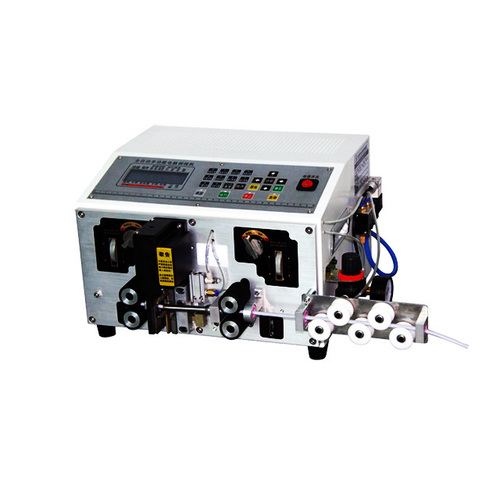




 Send Inquiry
 English
 Spanish
 French
 German
 Italian
 Chinese (Simplified)
 Japanese
 Korean
 Arabic
 Portuguese